

Luxury Vinyl Plank (LVP) Flooring has become one of the fastest-growing flooring options for homes and businesses. It combines the appearance of Hardwood Flooring with the durability, affordability, and moisture resistance of modern Vinyl Flooring. Thanks to its realistic wood-look designs, comfortable feel underfoot, and easy maintenance requirements, LVP has become a popular choice for a wide range of applications.
Modern LVP products are available in various styles, colors, and installation systems to suit different design preferences and performance needs. Many feature a durable Wear Layer, Waterproof Flooring technology, and advanced SPC Flooring or WPC Flooring cores for added stability. Whether you’re renovating a living room, upgrading a kitchen, or finishing a basement, understanding LVP flooring’s construction, benefits, and best uses can help you determine if it’s the right flooring solution for your space.
What Does LVP Flooring Mean?
Luxury Vinyl Plank (LVP) Flooring is a type of Vinyl Flooring designed to replicate the appearance of natural Hardwood Flooring. It consists of multiple layers that provide durability, comfort, and moisture resistance while maintaining a realistic wood-like look. LVP is available in a wide range of colors, textures, and plank sizes to suit different design preferences.
Unlike traditional sheet Vinyl Flooring, LVP comes in individual planks that are easier to install and replace. Homeowners and businesses often choose LVP because it offers Waterproof Flooring performance, low maintenance requirements, and excellent durability at a more affordable cost than many natural flooring materials.
Different Layers of LVP Flooring
Luxury Vinyl Plank (LVP) Flooring is built using multiple layers that work together to provide durability, comfort, stability, and visual appeal. Each layer serves a specific purpose and contributes to the overall performance of the flooring. Understanding these layers can help buyers choose the right product for their needs.
Wear Layer
The Wear Layer is the top protective surface of LVP Flooring. It acts as a shield against scratches, stains, scuffs, and daily foot traffic. This layer plays a major role in determining the floor’s Abrasion Resistance and overall durability. Products designed for high-traffic Residential Flooring and Commercial Flooring environments typically feature a thicker Wear Layer for added protection.
Finish Coat
Directly above the Wear Layer is the Finish Coat. This transparent coating provides an additional level of protection against surface damage and helps preserve the flooring’s appearance. Depending on the product, the Finish Coat may also improve Slip Resistance and make routine Floor Maintenance easier. A high-quality finish helps the floor maintain its original look for many years.
Decorative Layer
The Decorative Layer is responsible for the flooring’s visual appearance. This layer contains the high-resolution image that replicates the look of natural Hardwood Flooring, stone, or other materials. Modern printing technology allows manufacturers to create highly realistic wood grains, textures, and color variations. As a result, Luxury Vinyl Plank can closely mimic premium flooring materials while remaining more affordable and easier to maintain.
Core Layer
The Core Layer forms the structural foundation of the plank. It provides strength, stability, and Impact Resistance while helping the flooring maintain its shape over time. Many modern products use SPC Flooring or WPC Flooring technology within the core. SPC Flooring offers exceptional Dimensional Stability and durability, while WPC Flooring provides a softer and more comfortable feel underfoot. The core layer also contributes to the flooring’s Waterproof Flooring performance.
Backing Layer
The Backing Layer is located at the bottom of the plank and serves as the foundation for the entire flooring system. It helps improve stability, supports the core structure, and creates a smoother installation process. Some products include attached Underlayment materials within the backing layer to enhance comfort and reduce noise. The backing layer also helps protect the flooring from minor imperfections in the Subfloor and contributes to long-term performance.
SPC vs WPC LVP Flooring: What’s the Difference?
SPC Flooring and WPC Flooring are the two most common core technologies used in modern Luxury Vinyl Plank (LVP) products. While both offer excellent durability and moisture resistance, they differ in construction, comfort, and performance. Understanding these differences can help you select the best flooring solution for your home or business.
| Feature | SPC Flooring | WPC Flooring |
| Core Material | Stone-Plastic Composite | Wood-Plastic Composite |
| Durability | Very high | High |
| Dimensional Stability | Excellent | Very good |
| Comfort Underfoot | Firmer feel | Softer feel |
| Impact Resistance | Strong | Good |
| Waterproof Flooring | Yes | Yes |
| Best For | Commercial Flooring, high-traffic areas | Residential Flooring, comfort-focused spaces |
| Cost | Often slightly lower | Often slightly higher |
SPC Flooring
SPC Flooring features a rigid stone-plastic composite core that provides exceptional strength and durability. It is designed to handle heavy foot traffic, making it a popular choice for Commercial Flooring environments. Its dense construction helps resist dents, scratches, and daily wear. SPC products also offer excellent Abrasion Resistance and are commonly installed in offices, retail stores, and busy households.
WPC Flooring
WPC Flooring uses a wood-plastic composite core that includes foaming agents to create a softer structure. This design provides additional cushioning and a more comfortable walking experience. Many homeowners choose WPC flooring for bedrooms, living rooms, and other areas where comfort underfoot is a priority. Despite its softer feel, WPC flooring remains highly durable and suitable for everyday use.
Dimensional Stability
Dimensional Stability refers to a flooring product’s ability to maintain its shape when exposed to temperature and humidity changes. SPC Flooring generally offers superior Dimensional Stability because of its rigid mineral-based core. It expands and contracts less than many other flooring materials, making it ideal for areas with fluctuating environmental conditions. WPC Flooring also performs well but may experience slightly more movement due to its softer core structure.
Comfort Underfoot
Comfort is one of the main differences between these flooring options. SPC Flooring feels firmer because of its rigid construction. WPC Flooring provides a softer and quieter surface because of its thicker and more flexible core. When paired with Underlayment or Acoustic Underlay materials, WPC products can offer enhanced sound absorption and walking comfort.
Moisture Performance and Best Use Cases
Both SPC Flooring and WPC Flooring are considered Waterproof Flooring solutions. They resist moisture effectively and perform well in kitchens, bathrooms, laundry rooms, and Basement Flooring applications. SPC Flooring is often preferred for high-traffic Residential Flooring and Commercial Flooring projects where maximum durability is required. WPC Flooring is typically chosen for living spaces where comfort, warmth, and noise reduction are important considerations.
How LVP Flooring Is Installed
One of the reasons Luxury Vinyl Plank (LVP) Flooring is so popular is its flexible installation options. Depending on the product and project requirements, LVP can be installed using different methods. Proper preparation and installation help maximize durability, stability, and long-term performance.
Floating Floor
Many LVP products are installed as a Floating Floor. In this method, the planks are not permanently attached to the Subfloor. Instead, they connect to one another and rest above the surface below. Floating floors are often quicker to install and can be used over various Subfloor types. This method is widely used in both Residential Flooring and Commercial Flooring projects.
Click-Lock System
The Click-Lock System is the most common installation method for modern Luxury Vinyl Plank flooring. Each plank is manufactured with specially designed edges that snap together securely. This creates a stable flooring surface without requiring nails or extensive adhesives. The Click-Lock System also simplifies future Floor Repair because individual planks can often be replaced if they become damaged.
Glue-Down Installation
Some LVP products use Glue-Down Installation rather than a floating design. In this process, a Floor Adhesive is applied directly to the Subfloor before the planks are installed. Glue-down flooring provides a strong bond and helps reduce movement under heavy traffic. This installation method is often preferred for Commercial Flooring environments where additional stability is required.
Underlayment
Underlayment is an important part of many flooring systems. It can help improve comfort, reduce noise, and create a smoother surface beneath the planks. Some LVP products include an attached Underlayment, while others require a separate layer during installation. In certain situations, Acoustic Underlay materials may be used to improve sound control between floors.
Subfloor Preparation
Proper Subfloor preparation is essential for a successful installation. The surface should be clean, dry, level, and structurally sound. Uneven areas may require Floor Leveling or a Self-Leveling Compound before installation begins. Moisture Testing is also recommended, particularly when installing flooring over concrete or in Basement Flooring areas. A properly prepared Subfloor helps prevent movement, visible imperfections, and premature wear.
Expansion Gap
An Expansion Gap should be left around the perimeter of the room during installation. This small space allows the flooring to expand and contract naturally as temperature and humidity conditions change. Proper expansion spacing helps protect the flooring from buckling, lifting, and other performance issues, ensuring long-term stability and durability.
Benefits of Luxury Vinyl Plank Flooring
Luxury Vinyl Plank (LVP) Flooring continues to gain popularity because it delivers a combination of durability, practicality, and design flexibility. Unlike many traditional flooring materials, LVP is designed to perform well in a variety of environments while requiring minimal upkeep. Its advanced construction provides several benefits that appeal to both homeowners and businesses.
Waterproof Flooring
One of the most significant advantages of LVP Flooring is its waterproof performance. Many modern products are designed to prevent water from penetrating the core layer, making them suitable for moisture-prone spaces. This feature makes LVP a popular choice for kitchens, bathrooms, laundry rooms, and Basement Flooring applications where water exposure is common.
Water-Resistant Flooring
In addition to being available as Waterproof Flooring, many LVP products offer excellent Water-Resistant Flooring properties. They can withstand spills, splashes, and everyday moisture better than many traditional flooring materials. This added protection helps reduce maintenance concerns and supports long-term durability in busy households and commercial environments.
Abrasion Resistance
Daily foot traffic can gradually wear down flooring surfaces. Luxury Vinyl Plank Flooring is designed with a protective Wear Layer that helps improve Abrasion Resistance. This layer protects against scratches, scuffs, dirt, and routine wear. As a result, LVP performs well in high-traffic Residential Flooring and Commercial Flooring settings where durability is essential.
Impact Resistance
LVP Flooring is also known for its strong Impact Resistance. Its layered construction helps absorb the effects of dropped objects, furniture movement, and daily activity. SPC Flooring products, in particular, are valued for their rigid core construction and ability to resist dents and surface damage. This makes LVP a practical solution for active households, offices, and retail spaces.
Slip Resistance
Safety is an important consideration when choosing flooring. Many Luxury Vinyl Plank products feature textured surfaces and protective finishes that improve Slip Resistance. This characteristic can help reduce the risk of slips and falls, especially in areas exposed to moisture. The combination of water resistance and slip-resistant surfaces makes LVP a suitable choice for families, businesses, and public environments.
Low Maintenance
Compared to many flooring alternatives, LVP requires very little upkeep. Routine Floor Maintenance typically involves sweeping, vacuuming, and occasional damp mopping. Unlike Hardwood Flooring, it does not require Sanding, Refinishing, or frequent sealing. This low-maintenance nature helps save both time and money while keeping the flooring looking attractive for years.

How Durable Is LVP Flooring?
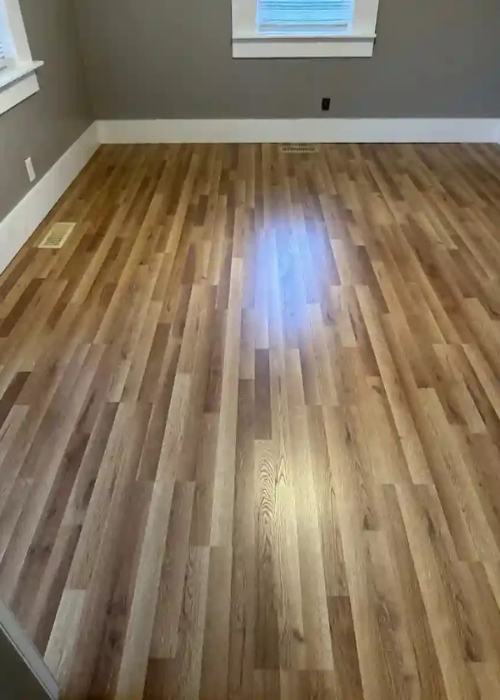
Luxury Vinyl Plank (LVP) Flooring is considered one of the most durable modern flooring options. Its performance largely depends on the quality of the Wear Layer, which protects the surface from scratches, stains, and everyday wear. Thicker wear layers generally provide better durability and are recommended for high-traffic areas.
Another important factor is the Traffic Rating. Residential Flooring products are designed for normal household use, while Commercial Flooring products are built to withstand heavier foot traffic and more demanding conditions. Many LVP products also offer excellent Abrasion Resistance and Impact Resistance, helping them maintain their appearance over time.
With proper installation and regular Floor Maintenance, quality LVP Flooring can last 10 to 25 years or more. Many manufacturers also provide a Flooring Warranty that covers wear, manufacturing defects, and performance, giving buyers additional confidence in their investment.
Best Places to Install LVP Flooring
One of the biggest advantages of Luxury Vinyl Plank (LVP) Flooring is its versatility. Its durability, moisture resistance, and attractive appearance make it suitable for a wide variety of environments. Whether used in a home, business, or rental property, LVP can provide long-lasting performance with minimal maintenance.
Residential Flooring
LVP is one of the most popular choices for Residential Flooring because it combines the appearance of Hardwood Flooring with greater durability and easier maintenance. It works well in living rooms, bedrooms, hallways, dining rooms, and family spaces. Homeowners appreciate its comfort, realistic wood-look designs, and ability to handle everyday wear.
Commercial Flooring
Many businesses use LVP in Commercial Flooring applications because of its durability and professional appearance. Offices, retail stores, healthcare facilities, and hospitality environments often benefit from its strong Wear Layer, Abrasion Resistance, and easy maintenance. Commercial-grade products can withstand high levels of foot traffic while maintaining their appearance over time.
Basement Flooring
Basements often experience higher moisture levels than other parts of a building. Because many LVP products are designed as Waterproof Flooring solutions, they are an excellent option for Basement Flooring projects. SPC Flooring products are particularly popular in basements due to their superior Dimensional Stability and moisture resistance.
Kitchens
Kitchens are among the most common areas for LVP installation. Frequent spills, food preparation, and heavy foot traffic can challenge many flooring materials. LVP’s Water-Resistant Flooring properties, durability, and easy-to-clean surface make it well suited for busy kitchen environments. It also offers a more comfortable surface underfoot than some hard flooring alternatives.
Bathrooms
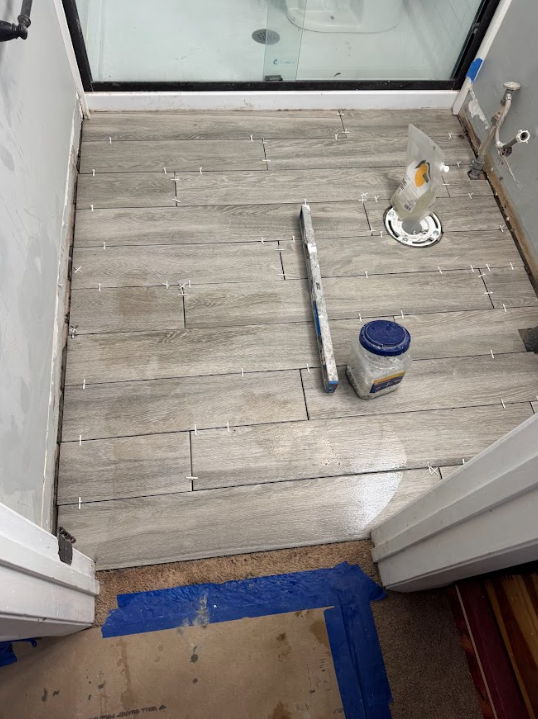
Bathrooms require flooring that can withstand daily exposure to moisture and humidity. Waterproof LVP products perform exceptionally well in these conditions. When installed correctly over a properly prepared Subfloor, they provide a durable and attractive alternative to traditional Tile Flooring while requiring less maintenance.
Rental Properties
Property owners often choose LVP for rental homes and apartments because of its durability and cost-effectiveness. Its resistance to scratches, stains, and everyday wear helps reduce maintenance and replacement costs between tenants. Combined with its modern appearance and long lifespan, LVP offers excellent long-term value for investment properties.
LVP Flooring vs Hardwood, Laminate and Tile
Luxury Vinyl Plank (LVP) Flooring is often compared with Hardwood Flooring, Laminate Flooring, and Tile Flooring because all four options are popular in residential and commercial spaces. While each material has its strengths, they differ significantly in cost, maintenance requirements, and moisture performance.
Hardwood Flooring
Hardwood Flooring is valued for its natural beauty and long lifespan. It can be Sanded, Stained, and Refinished multiple times, making it a premium flooring option. However, hardwood is generally more expensive than LVP and requires greater maintenance. It is also more sensitive to moisture and humidity changes, which can lead to issues such as Cupping, Crowning, and expansion over time.
Laminate Flooring
Laminate Flooring offers a wood-like appearance at a lower price point than hardwood. It is durable and often features a protective Wear Layer that resists scratches and daily wear. However, laminate is typically less moisture-resistant than Luxury Vinyl Plank Flooring. Prolonged exposure to water can damage the core material, making it less suitable for bathrooms, kitchens, and Basement Flooring applications.
Tile Flooring
Tile Flooring, including Ceramic Tile and Porcelain Tile, is highly durable and performs exceptionally well in wet environments. It offers excellent Waterproof Flooring performance and long-term durability. However, tile can be more expensive to install because it requires Thinset Mortar, Grout, and professional installation. It also tends to feel harder and colder underfoot than LVP.
Cost Comparison
From a cost perspective, LVP Flooring often falls between laminate and premium hardwood products. It typically costs less than Hardwood Flooring and many Tile Flooring installations while providing a similar visual appeal. Installation costs can also be lower because many LVP products use a Click-Lock System and Floating Floor design, reducing labor expenses.
Moisture Resistance Comparison
When it comes to moisture resistance, LVP Flooring has a clear advantage over Hardwood Flooring and most Laminate Flooring products. Many Luxury Vinyl Plank options are fully Waterproof Flooring solutions and perform well in kitchens, bathrooms, and basements. Tile Flooring also provides excellent moisture protection, but LVP offers a warmer and more comfortable surface. For property owners seeking a balance between appearance, durability, affordability, and moisture resistance, LVP Flooring is often one of the most practical choices available.
How to Choose the Right LVP Flooring
Choosing the right Luxury Vinyl Plank (LVP) Flooring involves more than selecting a color you like. Factors such as durability, traffic levels, design preferences, and installation patterns can all influence long-term satisfaction. Evaluating these features before purchasing can help you find the best flooring for your space.
Consider the Wear Layer
The Wear Layer is one of the most important features to evaluate when shopping for LVP Flooring. This protective surface helps resist scratches, stains, and everyday wear. Areas with heavier foot traffic generally benefit from thicker wear layers because they provide greater Abrasion Resistance and longer-lasting performance. Investing in a quality Wear Layer can significantly extend the lifespan of the flooring.
Match the Flooring to Traffic Levels
Different rooms experience different amounts of daily use. Bedrooms and guest rooms often have lighter traffic, while hallways, kitchens, and commercial spaces receive much heavier use. Choosing a product with an appropriate Traffic Rating helps ensure the flooring can handle the demands of the space. High-traffic Residential Flooring and Commercial Flooring environments often require more durable products with stronger protective layers.
Choose the Right Color and Style
Color and style have a major impact on the overall appearance of a room. Light-colored planks can make smaller spaces feel larger and brighter, while darker tones create warmth and contrast. Modern Luxury Vinyl Plank products are available in a wide range of wood-look finishes that closely resemble natural Hardwood Flooring. Selecting a style that complements the existing décor can help create a more cohesive interior design.
Explore Herringbone Pattern Options
A Herringbone Pattern can add visual interest and sophistication to a room. This installation style arranges planks in a distinctive zigzag layout that creates movement and texture across the floor. Herringbone designs are popular in living rooms, entryways, dining spaces, and upscale commercial environments where a more decorative appearance is desired.
Consider a Chevron Pattern
The Chevron Pattern offers another stylish alternative for homeowners seeking a unique flooring design. Unlike herringbone, the planks are cut at precise angles to create a continuous V-shaped pattern. This layout produces a clean and elegant appearance that works well in both modern and traditional interiors. When combined with realistic wood-look Luxury Vinyl Plank designs, chevron installations can deliver the appearance of premium Hardwood Flooring while maintaining the durability and low maintenance benefits of Vinyl Flooring.
Is LVP Flooring Worth It?
For many homeowners and businesses, Luxury Vinyl Plank (LVP) Flooring is absolutely worth considering. It is an excellent choice for those who want the appearance of Hardwood Flooring without the higher cost, extensive maintenance, or moisture concerns. LVP is especially well suited for busy households, commercial spaces, kitchens, bathrooms, and Basement Flooring areas because of its durability and Waterproof Flooring capabilities.
However, some property owners may prefer other flooring types. Hardwood Flooring may appeal to those seeking a premium natural material, while Tile Flooring may be preferred in certain high-moisture environments.
From a long-term perspective, LVP offers strong value. Its durability, low Floor Maintenance requirements, and relatively affordable installation costs contribute to a favorable Lifecycle Cost. With proper care, quality LVP Flooring can provide many years of reliable performance and visual appeal.