

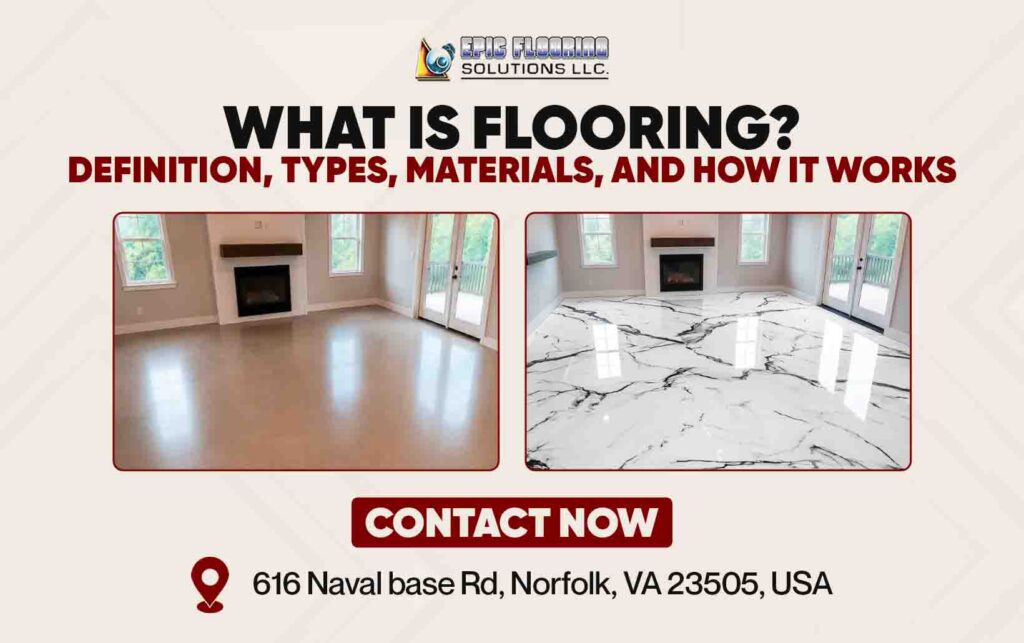
Flooring is one of the most important elements of any home, office, or commercial property. It provides a durable surface for everyday activities while also contributing to the comfort, appearance, and functionality of a space. From traditional Hardwood Flooring and Tile Flooring to modern Vinyl Flooring and Carpet options, today’s market offers a wide range of materials designed to meet different needs, budgets, and design preferences.
A complete flooring system typically includes more than just the visible surface. Components such as the Subfloor, Underlayment, and Moisture Barrier all play a role in supporting performance, durability, and long-term stability. Understanding how flooring works can help property owners choose the right solution for their environment. In this guide, we’ll explore flooring definitions, common types, popular materials, installation methods, and the factors that influence flooring performance.
What is Flooring
Flooring is the finished surface installed over a Subfloor. It creates a durable and comfortable space for walking, working, and everyday activities. Common flooring materials include Hardwood Flooring, Vinyl Flooring, Tile Flooring, Carpet, and Natural Stone Flooring. Each option offers different benefits in terms of appearance, durability, and maintenance.
Flooring is important in both Residential Flooring and Commercial Flooring settings. It helps protect the structure beneath while improving safety, comfort, and style. The right Floor Covering can also withstand daily foot traffic, support Indoor Air Quality, and increase property value. Choosing the right flooring helps ensure long-lasting performance and functionality.
Components of a Flooring System
A flooring system consists of several layers that work together to provide stability, comfort, and durability. While most people only notice the finished surface, the layers underneath play an equally important role. Each component helps support the flooring, manage moisture, reduce noise, and improve long-term performance.
Floor Joist
The Floor Joist is the structural framework that supports the entire floor system. These horizontal beams carry the weight of the flooring, furniture, and occupants. Properly installed floor joists help prevent sagging and provide a stable foundation for the layers above. They are commonly found beneath wood-framed floors in residential and commercial buildings.
Subfloor
The Subfloor sits directly on top of the floor joists and serves as the primary base for the flooring system. It is usually made from plywood or oriented strand board (OSB). A strong and level Subfloor helps prevent movement, squeaking, and uneven surfaces. Before installing any Floor Covering, contractors often inspect the subfloor for damage, moisture, or structural issues.
Underlayment
Underlayment is a thin layer installed between the Subfloor and the finished flooring material. It helps create a smoother surface and can improve comfort underfoot. Certain types of Underlayment also provide sound reduction through Acoustic Underlay technology. It is commonly used beneath Laminate Flooring, Vinyl Flooring, and Engineered Wood products.
Moisture Barrier
A Moisture Barrier protects flooring materials from moisture that can rise from concrete slabs, basements, or crawl spaces. Excess moisture can lead to issues such as Cupping, Crowning, mold growth, and flooring damage. Many Waterproof Flooring and Floating Floor systems include a Moisture Barrier or Vapor Retarder to improve long-term durability.
Surface Layer
The Surface Layer is the visible part of the flooring system. It may consist of Hardwood Flooring, Tile Flooring, Carpet, Luxury Vinyl Plank (LVP), Luxury Vinyl Tile (LVT), or other materials. This layer determines the floor’s appearance, comfort, and performance. Features such as the Wear Layer, Finish Coat, Slip Resistance, and Abrasion Resistance help protect the flooring from daily wear and extend its lifespan.
Common Flooring Materials Used Today
Different flooring materials offer unique benefits in terms of appearance, durability, maintenance, and cost. The right choice depends on the space, traffic levels, moisture exposure, and design preferences. Below are some of the most common flooring materials used in homes and commercial properties today.
Wood
Wood flooring is valued for its natural beauty and timeless appeal. Popular options include Hardwood Flooring and Engineered Wood. These materials add warmth to a space and can often be refinished through Sanding and Refinishing. Wood floors are commonly used in Residential Flooring applications and can last for decades with proper Floor Maintenance.
Vinyl
Vinyl Flooring is known for its durability, affordability, and water resistance. Modern options such as Luxury Vinyl Plank (LVP), Luxury Vinyl Tile (LVT), SPC Flooring, and WPC Flooring closely replicate the appearance of wood and stone. Many products feature a protective Wear Layer and are available as Waterproof Flooring solutions for kitchens, bathrooms, and Basement Flooring.
Tile
Tile Flooring is a durable and low-maintenance option for both residential and commercial spaces. Common choices include Ceramic Tile and Porcelain Tile. Tile offers excellent moisture resistance and works well in areas exposed to water. Proper installation typically involves Thinset Mortar, Tile Spacers, and Grout to create a long-lasting surface.
Stone
Natural Stone Flooring provides a premium and elegant appearance. Popular materials include Marble Flooring, Granite Flooring, Slate Flooring, and Travertine Flooring. Stone floors are highly durable and unique because no two pieces look exactly alike. They are often used in luxury homes and high-end commercial settings.
Carpet
Carpet remains a popular flooring material because of its comfort and sound absorption. It creates a softer walking surface and helps reduce noise within a room. Carpet Tile is commonly used in Commercial Flooring projects because individual sections can be replaced when damaged. Area Rugs are also used to enhance comfort and protect flooring surfaces.
Concrete
Concrete Flooring is valued for its strength and versatility. It is commonly found in Commercial Flooring and Industrial Flooring environments. Concrete surfaces can be polished, stained, or coated with Epoxy Flooring and Resin Flooring systems for improved durability, Slip Resistance, and visual appeal.
Different Types of Flooring
Flooring is available in many styles and materials to suit different needs and budgets. Some options focus on appearance, while others prioritize durability, water resistance, or easy maintenance. Understanding the most popular types of flooring can help you choose the right solution for your space.
Hardwood Flooring
Hardwood Flooring is made from solid wood and is known for its natural beauty and long lifespan. It adds warmth and value to a property and can often be restored through Sanding and Refinishing. Hardwood is commonly used in living rooms, bedrooms, and other low-moisture areas.
Laminate Flooring
Laminate Flooring is an affordable alternative to natural wood. It features a protective Wear Layer over a high-density core and decorative surface. Many laminate products use a Click-Lock System for quick Floating Floor installation. It offers good Abrasion Resistance and is easy to maintain.
Luxury Vinyl Plank (LVP)
Luxury Vinyl Plank (LVP) is designed to replicate the appearance of wood while providing enhanced durability. Many LVP products are Waterproof Flooring solutions and include a strong Wear Layer for protection against scratches and daily wear. They are popular in kitchens, bathrooms, and Basement Flooring applications.
Tile Flooring
Tile Flooring is highly durable and resistant to moisture. Common options include Ceramic Tile and Porcelain Tile. Tile performs well in bathrooms, kitchens, and commercial spaces where water resistance and easy cleaning are important. Proper installation involves Thinset Mortar and Grout for long-term performance.
Carpet
Carpet provides a soft and comfortable surface underfoot. It helps reduce noise and improves comfort in bedrooms, living areas, and offices. Carpet is available in various colors, textures, and styles to match different interior designs and functional needs.
Epoxy Flooring
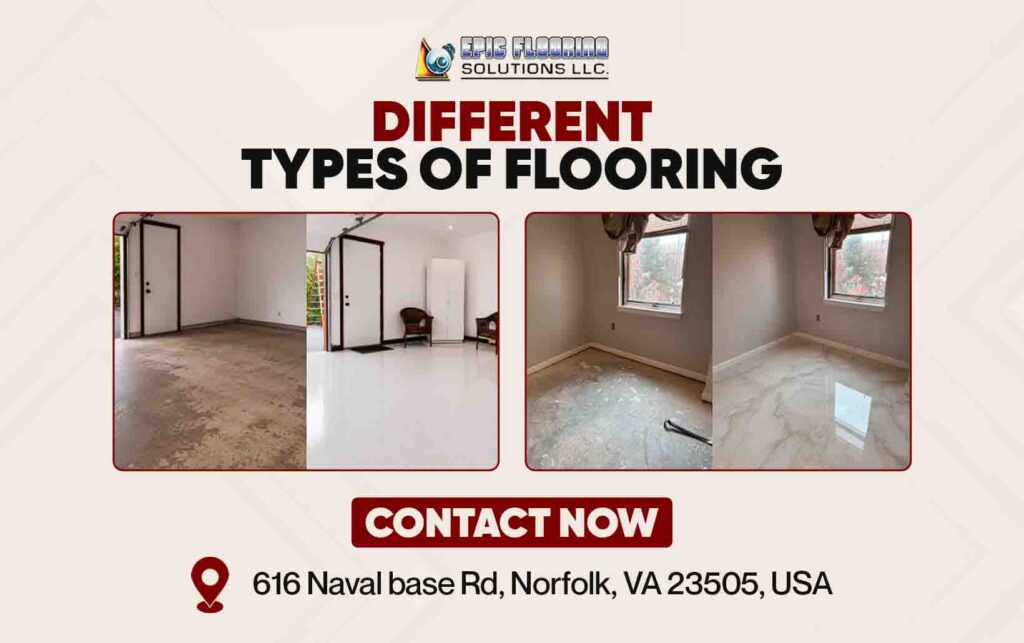
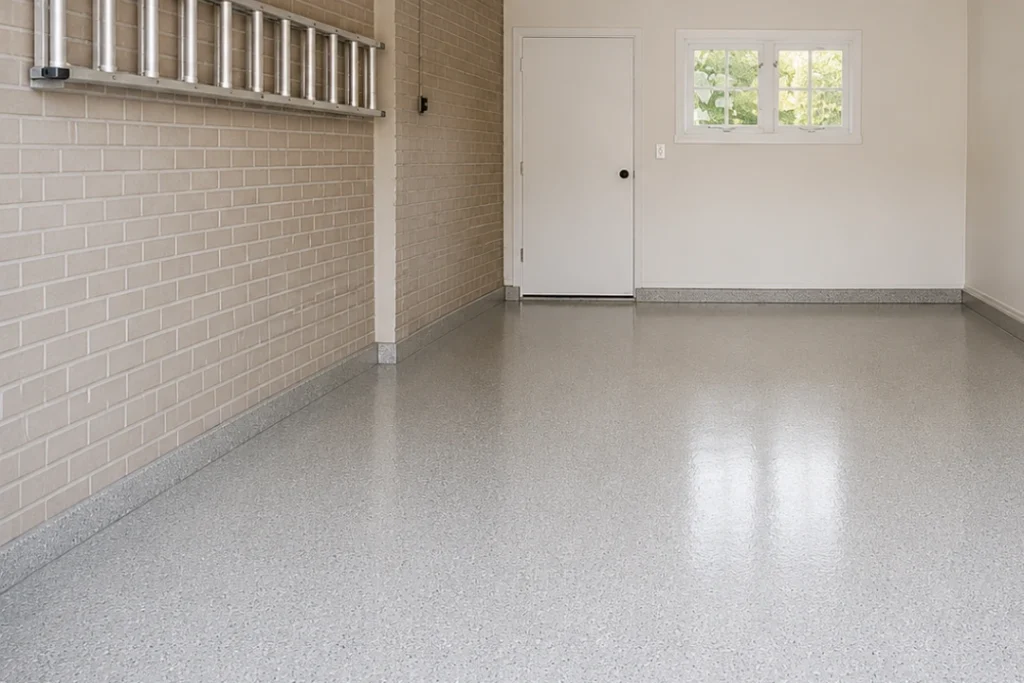
Epoxy Flooring is a protective coating applied over Concrete Flooring. It creates a seamless and durable surface with excellent Abrasion Resistance and Impact Resistance. Epoxy is commonly used in garages, warehouses, industrial facilities, and other high-traffic environments because of its strength and easy maintenance.
How Flooring Installation Works
The installation method plays a major role in the performance and lifespan of a flooring system. Different flooring materials require different installation techniques based on the Subfloor, room conditions, and product design. Choosing the right method helps improve stability, durability, and long-term results.
Floating Floor
A Floating Floor is installed without being permanently attached to the Subfloor. Instead, the flooring pieces connect to one another and “float” above the surface below. This method is commonly used with Laminate Flooring, Luxury Vinyl Plank (LVP), and some Engineered Wood products. Floating floors are often paired with Underlayment and a Moisture Barrier to improve comfort, reduce noise, and protect against moisture.
Glue-Down Installation
Glue-Down Installation involves securing flooring directly to the Subfloor using a specialized Floor Adhesive. This method creates a strong bond and helps minimize movement over time. It is frequently used for Vinyl Flooring, Luxury Vinyl Tile (LVT), Carpet Tile, and some Engineered Wood products. Before installation, contractors often perform Moisture Testing and Floor Leveling to ensure the substrate is clean, dry, and smooth.
Nail-Down Installation
Nail-Down Installation is one of the most common methods for Hardwood Flooring. In this process, flooring boards are fastened directly to a wood Subfloor using nails or staples. This installation technique provides excellent stability and is often preferred for solid hardwood products. Proper installation also includes maintaining the correct Expansion Gap around walls and fixed objects to allow for natural movement caused by changes in Moisture Content and Humidity Control.
Click-Lock System
A Click-Lock System is designed to make installation faster and more efficient. Each plank or tile features interlocking edges that securely snap together without the need for nails or adhesives. This system is widely used with Laminate Flooring, SPC Flooring, WPC Flooring, and Luxury Vinyl Plank products. Because of its simplicity, the Click-Lock System is a popular choice for Floating Floor installations and renovation projects. It also allows damaged planks to be replaced more easily when Floor Repair is needed.
Factors That Affect Flooring Performance
Even the highest-quality flooring can fail if the surrounding conditions are not suitable. Long-term performance depends on several factors that influence durability, appearance, and safety. Understanding these factors can help property owners make better flooring decisions and avoid costly repairs in the future.
Moisture
Moisture is one of the biggest threats to many flooring materials. Excess moisture can seep through a Subfloor, Crawl Space, or concrete Substrate and cause damage over time. Hardwood Flooring may develop Cupping or Crowning, while some flooring products can experience Delamination. Moisture Testing is often recommended before installation, especially for Basement Flooring projects. A Moisture Barrier or Vapor Retarder can help protect the floor and improve Dimensional Stability.
Traffic
The amount of foot traffic a floor receives directly affects its lifespan. Areas such as hallways, retail stores, offices, and entryways experience greater wear than low-traffic rooms. Commercial Flooring and Industrial Flooring often require products with a higher Traffic Rating to withstand constant use. Selecting flooring designed for the expected traffic level helps reduce maintenance needs and extend service life.
Wear Layer
Many modern flooring products include a protective Wear Layer. This layer acts as the first line of defense against scratches, scuffs, stains, and everyday wear. It is especially important in Luxury Vinyl Plank (LVP), Luxury Vinyl Tile (LVT), SPC Flooring, and WPC Flooring. Generally, a thicker wear layer provides better protection in busy environments. The quality of the Finish Coat also contributes to surface durability and long-term appearance.
Abrasion Resistance
Abrasion Resistance refers to a flooring material’s ability to resist surface wear caused by friction. Moving furniture, foot traffic, dirt particles, and daily use can gradually wear down a floor’s surface. Materials such as Porcelain Tile, Epoxy Flooring, Concrete Flooring, and certain Vinyl Flooring products are known for strong Abrasion Resistance. This characteristic is particularly important in commercial settings where flooring experiences constant activity.
Slip Resistance
Slip Resistance measures how well a flooring surface helps prevent slips and falls. This factor is especially important in kitchens, bathrooms, healthcare facilities, and commercial buildings. Flooring with good Slip Resistance can improve safety in both Residential Flooring and Commercial Flooring environments. Surface texture, finish type, and material selection all influence slip performance. Many Tile Flooring, Waterproof Flooring, and Epoxy Flooring systems are specifically designed to provide better traction in wet or high-use areas.
Flooring Maintenance and Care Requirements
Proper Floor Maintenance helps preserve appearance, improve safety, and extend the lifespan of a flooring system. Different materials require different levels of care, but regular upkeep can prevent premature wear and costly replacements. In addition to routine cleaning, some floors may need repair, refinishing, or restoration over time.
Cleaning
Regular cleaning is the foundation of good Floor Maintenance. Dirt, dust, and debris can gradually damage the surface of a Floor Covering if left untreated. Sweeping, vacuuming, and mopping help protect the Finish Coat and Wear Layer from unnecessary wear. Different materials, including Hardwood Flooring, Tile Flooring, Vinyl Flooring, and Carpet, require cleaning products that are appropriate for their specific surface.
Refinishing
Refinishing is commonly used to restore the appearance of Hardwood Flooring and some Engineered Wood floors. The process often involves Sanding the surface to remove scratches, stains, and signs of wear. After sanding, a new Polyurethane Finish or Oil Finish is applied to protect the wood and enhance its appearance. Refinishing can significantly extend the life of a wood floor without requiring a full replacement.
Floor Repair
Even durable flooring can experience damage from heavy traffic, moisture exposure, or accidents. Floor Repair addresses issues such as cracked Tile Flooring, damaged Luxury Vinyl Plank (LVP), worn Carpet, or Hardwood Flooring affected by Cupping and Crowning. Prompt repairs help prevent minor problems from becoming larger and more expensive issues. In many cases, replacing individual planks, tiles, or sections can restore the floor’s functionality.
Restoration
Floor Restoration is a more comprehensive process used to bring aging or heavily damaged flooring back to its original condition. Restoration may include Deep Cleaning, Sanding, Sealing, Buffing, Burnishing, and structural repairs. It is commonly performed on Hardwood Flooring, Natural Stone Flooring, Concrete Flooring, and Commercial Flooring surfaces. Restoration can improve durability, appearance, and overall performance while helping property owners avoid the cost of complete floor replacement.
How To Choose the Right Flooring for Your Space
Choosing the right flooring involves more than selecting a style you like. The ideal flooring should match the purpose of the space, fit your budget, and provide long-term value. By evaluating several key factors, you can find a flooring solution that meets both practical and aesthetic needs.
Consider the Type of Space
The first step is determining where the flooring will be installed. Residential Flooring and Commercial Flooring have different performance requirements. A bedroom may prioritize comfort and appearance, while a retail store or office may require higher durability and a stronger Traffic Rating. Areas exposed to moisture, such as bathrooms and basements, may benefit from Waterproof Flooring options like Luxury Vinyl Plank (LVP) or Tile Flooring.
Set a Realistic Budget
Flooring costs vary significantly depending on the material, installation method, and maintenance requirements. Hardwood Flooring and Natural Stone Flooring often have higher upfront costs, while Laminate Flooring and Vinyl Flooring are generally more budget-friendly. It’s also important to consider long-term expenses, including Floor Maintenance, repairs, and replacement costs. Looking at the overall Lifecycle Cost can provide a more accurate picture than focusing only on the initial purchase price.
Evaluate Durability Requirements
Different flooring materials perform differently under daily use. High-traffic areas often require flooring with strong Abrasion Resistance, Impact Resistance, and a durable Wear Layer. Commercial Flooring environments may benefit from Epoxy Flooring, Porcelain Tile, or SPC Flooring because of their ability to withstand heavy use. Choosing flooring based on expected traffic levels helps ensure long-term performance and reduces the need for frequent Floor Repair.
Match the Desired Appearance
Flooring has a major impact on the overall look and feel of a space. Hardwood Flooring offers a classic and timeless appearance, while Luxury Vinyl Tile (LVT) and Luxury Vinyl Plank can mimic the look of wood or stone at a lower cost. Natural Stone Flooring, including Marble Flooring and Travertine Flooring, creates a premium appearance, while Carpet adds warmth and comfort. Selecting a material that complements the interior design can enhance the value and visual appeal of the property.
Think About Long-Term Maintenance
Maintenance requirements vary by flooring type. Some materials require only routine cleaning, while others may need Refinishing, Sealing, Buffing, or periodic restoration. Before making a decision, consider how much time and effort you are willing to invest in upkeep. Choosing flooring that aligns with your maintenance expectations can help preserve its appearance and performance for years to come.
Future Trends in Modern Flooring Solutions
The flooring industry continues to evolve as homeowners and businesses look for solutions that offer better durability, sustainability, and performance. Modern flooring products are becoming more advanced, combining innovative technology with environmentally responsible materials. Several trends are shaping the future of flooring design and installation.
Waterproof Flooring
Demand for Waterproof Flooring continues to grow because of its durability and versatility. Products such as Luxury Vinyl Plank (LVP), Luxury Vinyl Tile (LVT), SPC Flooring, and WPC Flooring are designed to withstand moisture without compromising appearance. These solutions are becoming increasingly popular in kitchens, bathrooms, laundry rooms, and Basement Flooring applications where water exposure is a concern.
Sustainable Flooring
Sustainability is becoming a major priority for both residential and commercial property owners. Sustainable Flooring options such as Bamboo Flooring, Cork Flooring, and Reclaimed Wood Flooring help reduce environmental impact while maintaining durability and style. Many consumers are also looking for products that support Green Building initiatives and environmentally responsible construction practices.
Low VOC Materials
Indoor Air Quality has become an important consideration when selecting flooring materials. Many manufacturers now produce flooring with lower VOC Emissions to create healthier indoor environments. Products with Floor Score Certification and FSC Certification are often preferred because they meet recognized environmental and air-quality standards. These materials can contribute to healthier living and working spaces.
Smart Flooring Technologies
Technology is beginning to influence flooring design and performance. Manufacturers are developing materials with enhanced Wear Layer protection, improved Slip Resistance, and greater Impact Resistance. Some modern flooring systems are also designed to work more efficiently with Radiant Heating systems, improving comfort and energy efficiency throughout the space.
Eco-Friendly and High-Performance Solutions
The future of flooring is focused on balancing sustainability with performance. Consumers increasingly want materials that are durable, easy to maintain, and environmentally responsible. New flooring products are being developed to provide better Dimensional Stability, moisture protection, and long-term durability while reducing environmental impact. As innovation continues, flooring solutions will become even more efficient, attractive, and sustainable for both Residential Flooring and Commercial Flooring applications.
Final Discussions
Flooring is much more than a finished surface. It is a complete system that influences comfort, safety, durability, and the overall appearance of a space. From Hardwood Flooring and Tile Flooring to Luxury Vinyl Plank (LVP) and Carpet, each material offers unique advantages for different environments.
Factors such as moisture exposure, traffic levels, maintenance requirements, and budget all play a role in selecting the right Floor Covering. Modern innovations, including Waterproof Flooring, Sustainable Flooring, and low-VOC materials, continue to expand the options available to property owners.
By understanding flooring types, materials, installation methods, and performance factors, you can make informed decisions that deliver long-term value, functionality, and visual appeal.