


A new epoxy floor can completely transform a garage, basement, showroom, or commercial space. It adds durability, improves appearance, and protects concrete from stains, moisture, and daily wear. Before starting your project, it helps to understand how much epoxy flooring costs in Norfolk and what factors affect the final price.
Most installations are priced by square foot, but the coating type, floor condition, surface preparation, and labor can all influence your total investment. In this guide, you’ll find average epoxy flooring costs in Norfolk, pricing by coating type and project size, cost-saving tips, and expert insights to help you plan your budget and choose the right flooring system with confidence.

What Does Epoxy Flooring Cost in Norfolk?
In Norfolk, epoxy flooring typically costs $5 to $10 per square foot for professional installation, although basic systems may start around $3 per square foot, while premium decorative or industrial coatings can exceed $12 per square foot depending on the project. Residential garages and basements usually cost less than commercial spaces because commercial floors often require thicker coatings, extensive surface preparation, and higher-performance materials. Materials generally account for 40% to 60% of the total cost, while labor makes up the remaining 40% to 50%. Compared with national averages, Norfolk pricing is competitive, but factors like concrete repairs, moisture mitigation, and custom finishes can increase the final investment.
Average Epoxy Flooring Cost Table
| Category | Typical Cost |
| Average Installed Cost | $5–$10 per sq. ft. |
| Basic Solid-Color Epoxy | $5–$7 per sq. ft. |
| Decorative Flake Epoxy | $6–$9 per sq. ft. |
| Metallic Epoxy Flooring | $8–$12+ per sq. ft. |
| Quartz-Filled Epoxy | $9–$14 per sq. ft. |
| Industrial-Grade Epoxy | $8–$15+ per sq. ft. |
| Single-Car Garage (200–250 sq. ft.) | $1,000–$2,500 |
| Two-Car Garage (400–500 sq. ft.) | $2,000–$5,000 |
| Basement Flooring | $1,500–$6,000 |
| Commercial Flooring (1,000 sq. ft.) | $5,000–$10,000 |
| Labor Cost | $2–$5 per sq. ft. |
| Surface Preparation | $1–$3 per sq. ft. (if required) |
| Recoating Existing Epoxy | $3–$6 per sq. ft. |
| New Epoxy Installation | $5–$10+ per sq. ft. |
| Expected Lifespan | 10–20 years |
| Estimated Annual Ownership Cost | $250–$400 (based on a typical residential installation) |

Epoxy Flooring Cost by Coating Type
The type of epoxy coating you choose has the biggest impact on your overall project cost. Basic systems offer reliable protection at a lower price, while decorative and industrial-grade coatings require additional materials and labor. In Norfolk, professionally installed epoxy flooring typically ranges from $5 to $12+ per square foot, with premium decorative finishes costing even more for complex designs. Understanding the differences between each coating helps you choose a system that fits your budget, performance needs, and the intended use of the space.
Epoxy Flooring Cost Comparison by Coating Type
| Coating Type | Average Installed Cost (Per Sq. Ft.) | Best For |
| Standard Solid-Color Epoxy | $5–$7 | Garages, basements, workshops |
| Decorative Flake Epoxy | $6–$9 | Residential garages, patios |
| Metallic Epoxy Flooring | $8–$12+ | Showrooms, retail spaces, interiors |
| Quartz-Filled Epoxy | $9–$14 | Commercial kitchens, healthcare facilities |
| Industrial-Grade Epoxy | $8–$15+ | Warehouses, factories, manufacturing |
Standard Solid-Color Epoxy
Standard solid-color epoxy is the most affordable option for homeowners. It creates a seamless, glossy surface that protects concrete from stains, chemicals, and everyday wear. This system is commonly used in garages, storage rooms, and workshops where durability matters more than decorative finishes. Since installation is relatively simple and requires fewer materials, it remains one of the most budget-friendly epoxy flooring solutions.
Decorative Flake Epoxy Systems
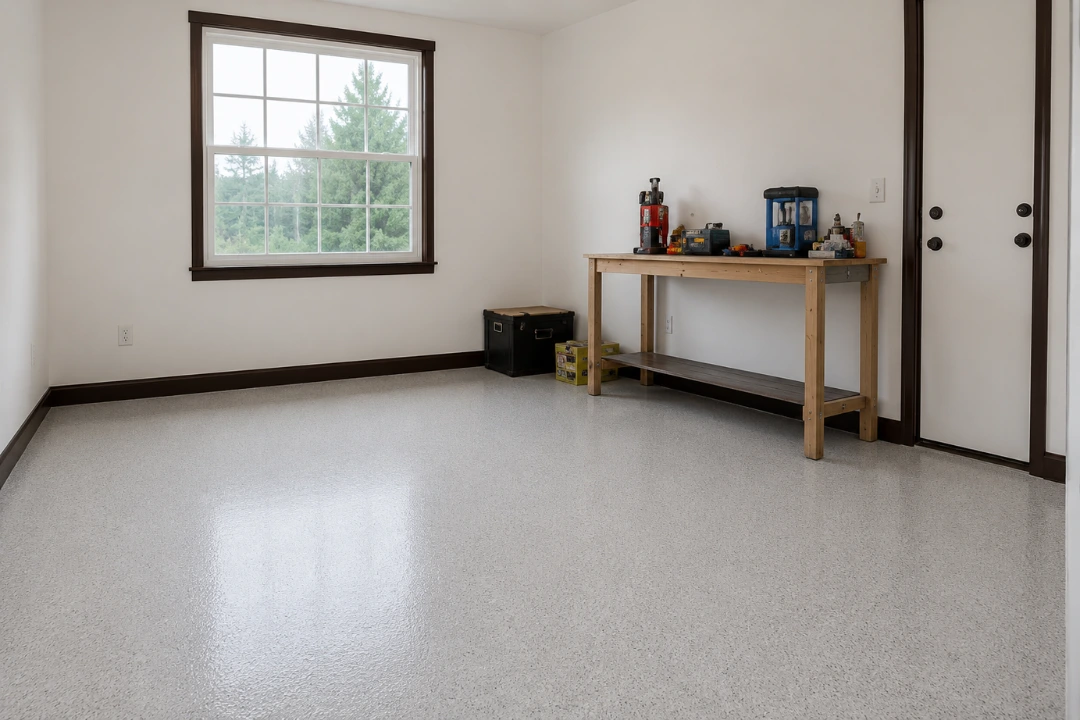
Decorative flake epoxy includes colored vinyl flakes that are broadcast into the epoxy before a protective clear topcoat is applied. The flakes improve appearance, add texture, and provide better slip resistance. They also help hide minor imperfections in the concrete. Because the process requires additional materials and installation steps, decorative flake systems generally cost more than standard solid-color epoxy.
Metallic Epoxy Flooring
Metallic epoxy flooring creates a unique three-dimensional finish with swirling metallic pigments. Every floor has a custom appearance, making it popular for showrooms, offices, luxury garages, and retail spaces. The specialized pigments, artistic application techniques, and multiple coating layers increase both material and labor costs, making metallic epoxy one of the most expensive residential options.
Quartz-Filled Epoxy Coatings
Quartz-filled epoxy combines colored quartz granules with epoxy resin to create an attractive and highly durable floor. It offers excellent slip resistance, chemical resistance, and impact protection. Because of its strength, quartz epoxy is widely used in hospitals, schools, restaurants, and commercial kitchens. The added quartz aggregate and thicker installation process make it more expensive than standard residential epoxy coatings.
Industrial-Grade Epoxy Systems
Industrial-grade epoxy systems are designed for facilities that experience heavy equipment, forklift traffic, chemical exposure, and continuous use. These coatings often include thicker epoxy layers, specialized primers, and high-performance topcoats for maximum durability. While they have the highest upfront cost, they provide exceptional long-term value by reducing maintenance needs and extending the life of concrete floors.

Epoxy Flooring Cost by Project Size
Project size is one of the biggest factors that determines the total cost of an epoxy flooring installation. Larger spaces require more materials, labor, and preparation time, but the cost per square foot may decrease on bigger projects because installers can work more efficiently. Smaller residential jobs, such as garages and basements, usually have a higher price per square foot than large commercial floors. The estimates below reflect typical professionally installed epoxy flooring costs in Norfolk and can help you plan your budget before requesting quotes.
Epoxy Flooring Cost by Square Footage
| Project Size | Estimated Total Cost |
| 150 sq. ft. | $750–$1,500 |
| 250 sq. ft. | $1,250–$2,500 |
| 500 sq. ft. | $2,500–$5,000 |
| 750 sq. ft. | $3,750–$7,500 |
| 1,000 sq. ft. | $5,000–$10,000 |
| 2,000 sq. ft. | $10,000–$20,000 |
Single-Car Garage (200–250 Sq. Ft.)
A single-car garage is one of the most common residential epoxy flooring projects. Most homeowners can expect to pay between $1,000 and $2,500, depending on the coating system, floor condition, and amount of surface preparation required. Decorative flakes or metallic finishes will increase the overall cost, while a basic solid-color system remains the most affordable option.
Two-Car Garage (400–500 Sq. Ft.)
A two-car garage generally costs $2,000 to $5,000 for professional epoxy installation. Although the total investment is higher than a single-car garage, the price per square foot may be slightly lower because contractors can complete larger projects more efficiently. Premium finishes, crack repairs, or moisture mitigation can increase the final price.
Basement Flooring
Epoxy flooring is an excellent choice for basements because it creates a seamless, moisture-resistant surface that is easy to maintain. Depending on the basement size and concrete condition, most projects range from $1,500 to $6,000. Costs can increase if the floor requires extensive crack repairs, leveling, or moisture control before installation.
Commercial Spaces
Commercial epoxy flooring costs vary widely based on the building size, traffic levels, and coating specifications. Retail stores, warehouses, showrooms, restaurants, and manufacturing facilities often require thicker epoxy systems and more durable topcoats than residential properties. Large commercial projects typically benefit from lower per-square-foot pricing, although additional preparation work and specialized coatings can significantly increase the total investment.

What Factors Increase or Reduce Epoxy Flooring Costs?
The final cost of an epoxy flooring project depends on more than just the size of the floor. Surface preparation, concrete condition, coating selection, and installation requirements all affect the overall price. Understanding these cost factors can help you set a realistic budget and avoid unexpected expenses when comparing contractor quotes.
Concrete Preparation and Repairs
Proper surface preparation is the foundation of a long-lasting epoxy floor. Contractors typically grind or shot blast the concrete to remove dirt, grease, stains, and weak surface layers before applying the coating. If the floor has uneven areas, spalling, or damaged concrete, additional repairs may be necessary. Since preparation is one of the most labor-intensive parts of the installation process, it can account for a significant portion of the total project cost.
Moisture Testing and Mitigation
Concrete naturally contains moisture, and excessive moisture can cause epoxy coatings to peel, blister, or fail over time. Professional installers often perform moisture testing before starting the project, especially in basements and commercial buildings. If moisture levels are too high, a moisture mitigation system or specialized primer may be required. Although this adds to the upfront cost, it helps prevent expensive repairs and extends the life of the flooring.
Existing Coating Removal
Removing old paint, sealers, adhesives, or failed epoxy coatings requires additional equipment and labor. Contractors may need to use diamond grinders, shot blasters, or chemical removal methods to expose clean concrete before installing the new coating. Floors with multiple layers of old coatings usually take longer to prepare, increasing both labor costs and the total project price.
Floor Condition and Crack Repair
The condition of the existing concrete has a direct impact on installation costs. Small hairline cracks are generally inexpensive to repair, while larger cracks, holes, or structural damage require more extensive work. Uneven floors may also need patching or leveling before the epoxy system can be applied. Investing in proper repairs creates a smoother finish and improves the durability of the completed floor.
Custom Colors, Flakes, and Finishes
Decorative upgrades can increase the overall cost of an epoxy flooring project. Solid-color epoxy is usually the most affordable option, while decorative flake systems, metallic finishes, custom color blends, and company logos require additional materials and specialized installation techniques. Premium clear topcoats with UV resistance or enhanced scratch protection also add to the total investment.
Number of Coating Layers
The number of coating layers affects both material usage and labor time. Basic epoxy systems may include a primer and a single epoxy coat, while premium installations often use multiple epoxy coats followed by a protective polyurethane or polyaspartic topcoat. Multi-layer systems provide greater durability, chemical resistance, and longer service life, but they also require more installation time and increase the overall project cost.

Norfolk Labor Costs for Epoxy Floor Installation
Labor is a major part of the total cost of an epoxy flooring project. In Norfolk, professional installation prices vary based on the size of the floor, the amount of surface preparation required, and the type of epoxy system selected. Choosing an experienced contractor may cost more upfront, but quality workmanship can improve durability, reduce maintenance costs, and extend the life of your epoxy floor.
Professional Installer Rates
Professional epoxy flooring installers in Norfolk typically charge $2 to $5 per square foot for labor alone. Simpler residential projects usually fall at the lower end of the range, while decorative finishes and commercial installations require more time and specialized skills. Projects with custom designs or multiple coating layers often have higher labor costs because they involve additional application steps.
Surface Grinding and Preparation Costs
Surface preparation is one of the most important stages of epoxy floor installation. Contractors use diamond grinding or shot blasting equipment to remove dirt, old sealers, stains, and weak concrete before applying the coating. Depending on the condition of the floor, preparation can account for a significant portion of the labor cost. Floors with extensive damage or uneven surfaces require additional repair work before installation begins.
Recoating vs New Installation Pricing
Recoating an existing epoxy floor is generally more affordable than installing a completely new system. If the existing coating is in good condition, contractors may only need to clean, lightly grind, and apply a fresh topcoat. However, if the old coating is peeling, cracked, or contaminated, complete removal and surface preparation will be necessary, making the project similar in cost to a new installation.
Warranty and Contractor Quality
The lowest quote is not always the best value. Experienced contractors typically use higher-quality materials, follow proper preparation methods, and provide workmanship warranties. Many professional installers offer warranties ranging from 5 to 15 years, depending on the coating system and intended use. Choosing a reputable contractor can reduce the risk of premature peeling, bubbling, or coating failure, which helps lower long-term maintenance expenses.
Timeline and Curing Considerations
Most residential epoxy flooring projects take two to four days to complete, depending on the project size and floor condition. Surface preparation, repairs, coating application, and curing all require adequate time. While light foot traffic is often possible within 24 to 48 hours, vehicles should usually stay off the floor for three to seven days to allow the coating to reach full strength. Rushing the curing process can affect the durability and appearance of the finished floor.

Is Epoxy Flooring Worth the Investment?
Epoxy flooring is more than a durable floor coating. It offers long-term value through low maintenance, excellent durability, and attractive finishes. While the upfront cost may be higher than some flooring materials, its long lifespan and minimal upkeep often make it a smart investment for both residential and commercial properties.
Cost Compared With Polished Concrete
Epoxy flooring and polished concrete are both durable flooring options, but they serve different needs. Polished concrete often costs less when the existing concrete is in good condition because it uses the slab as the finished surface. Epoxy flooring usually requires additional materials and multiple coating layers, which increase the installation cost. However, epoxy provides better resistance to chemicals, oil stains, moisture, and abrasions. It also offers more design options, including solid colors, decorative flakes, and metallic finishes.
Cost Compared With Tile and LVP
Compared with ceramic tile and luxury vinyl plank (LVP), epoxy flooring creates a seamless surface without grout lines or joints. Tile can become expensive because of material and installation costs, while grout requires regular maintenance. LVP is generally more affordable and works well in living spaces, but it is not designed for heavy vehicles, machinery, or chemical exposure. Epoxy flooring performs better in garages, workshops, warehouses, and commercial buildings where durability is a priority.
Expected Lifespan and Maintenance Costs
A professionally installed epoxy floor can last 10 to 20 years in most residential applications. Commercial floors may require recoating sooner if they experience constant heavy traffic. Maintenance is simple and inexpensive. Regular sweeping and occasional mopping are usually enough to keep the surface clean. Since there are no grout lines or seams, dirt and spills are easy to remove. Minor maintenance throughout the year helps extend the life of the coating and reduces repair costs.
Cost Per Year of Ownership
Looking at the annual cost rather than the initial price provides a better picture of epoxy flooring’s value. For example, if an epoxy floor costs $4,500 and lasts 15 years, the ownership cost is approximately $300 per year, excluding basic cleaning expenses. Because epoxy rarely requires major repairs, its long-term ownership cost is often lower than flooring materials that need frequent replacement or maintenance.
Return on Investment for Garages and Commercial Spaces
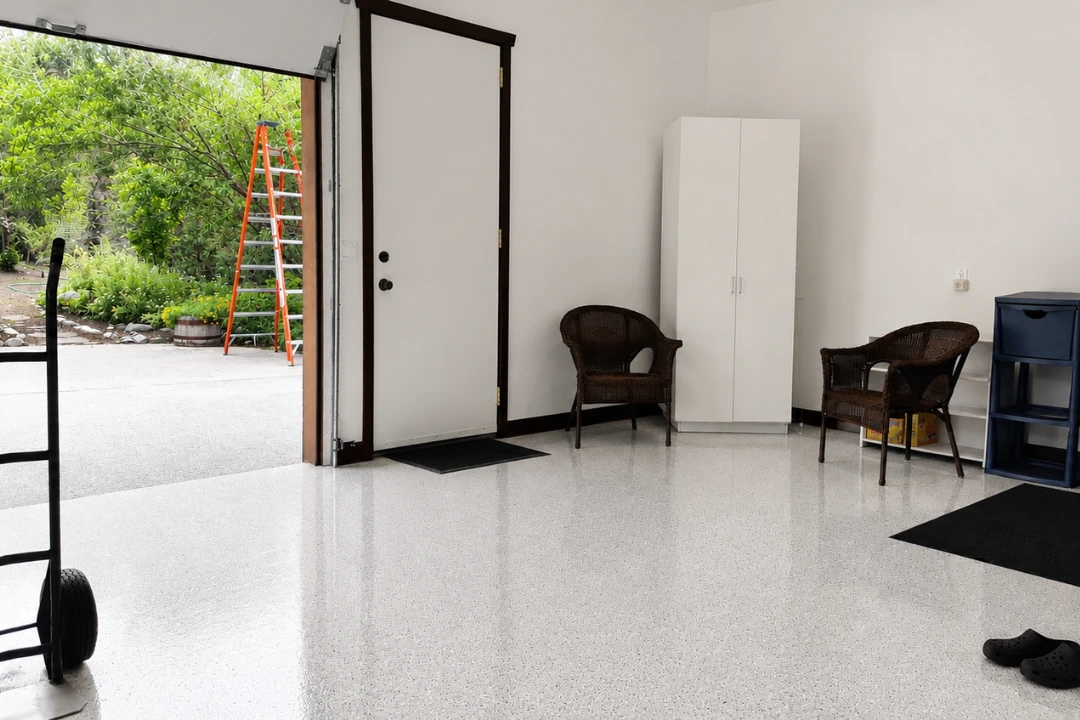
Epoxy flooring can increase the value and functionality of a property. A clean, glossy garage floor creates a more finished appearance that appeals to potential homebuyers. In commercial settings, epoxy protects concrete from damage, reduces maintenance costs, and creates a safer, more professional work environment. Businesses also benefit from improved durability, easier cleaning, and less downtime for floor repairs, making epoxy flooring a worthwhile long-term investment.
Budget Planning: How Much Should You Expect to Spend?
Setting a realistic budget before starting your epoxy flooring project helps you avoid unexpected costs and choose the right coating system. Your final investment will depend on the project size, floor condition, surface preparation, and the finish you select. Planning also makes it easier to compare contractor quotes and prioritize the features that matter most.
Budget-Friendly Epoxy Projects
If you’re looking for an affordable option, a standard solid-color epoxy coating is usually the best choice. Small garages, utility rooms, and storage areas are ideal for budget-friendly installations. Choosing a simple finish, minimizing repairs, and using an existing concrete slab in good condition can help keep costs under control.
Mid-Range Residential Installations
Most homeowners choose a mid-range epoxy system for garages, basements, or patios. These projects often include decorative flakes, improved surface preparation, and a durable protective topcoat. While the initial cost is higher than a basic coating, the improved appearance and longer lifespan make it a worthwhile investment for many residential properties.
Premium Decorative Epoxy Budgets
Premium epoxy flooring is designed for homeowners and businesses that want a custom look. Metallic finishes, custom color blends, quartz systems, and high-performance topcoats require additional materials and skilled installation. Although premium systems have the highest upfront cost, they offer exceptional durability, visual appeal, and long-term performance.
Ways to Reduce Installation Costs
You can lower installation costs without sacrificing quality by repairing minor cracks before requesting quotes, choosing a standard color instead of custom finishes, and scheduling your project during slower seasons when contractors may have greater availability. Comparing multiple quotes from experienced installers also helps you find the best value.
Budget Checklist Before Requesting Quotes
Before contacting contractors, make sure you:
- Measure the total floor area.
- Identify any visible cracks or concrete damage.
- Decide on the epoxy coating type and finish.
- Determine whether decorative flakes or metallic effects are needed.
- Ask what preparation work is included in the estimate.
- Confirm whether warranties and topcoats are part of the quoted price.
A clear budget and detailed project plan will help you receive accurate estimates and choose an epoxy flooring system that meets both your needs and your budget.
Final Discussions
Epoxy flooring is a durable and cost-effective solution for homeowners and businesses in Norfolk that want long-lasting floor protection and a clean, professional appearance. While installation costs vary based on coating type, project size, surface preparation, and labor, understanding these factors helps you plan a realistic budget and avoid unexpected expenses. Comparing multiple quotes, choosing the right epoxy system for your needs, and working with an experienced installer can deliver better long-term value. Whether you’re upgrading a garage, basement, showroom, or commercial facility, a professionally installed epoxy floor offers excellent durability, low maintenance, and a strong return on investment. Taking time to evaluate your options today can help you enjoy a floor that performs well for many years.