


Epoxy flooring is known for its durability, chemical resistance, and long-term performance, but one of the most common questions property owners ask is: How long does epoxy flooring last? The answer depends on several factors, including the type of epoxy system, installation quality, traffic levels, environmental conditions, and ongoing maintenance. In general, professionally installed epoxy flooring can last anywhere from 10 to 20 years or more, with some industrial systems exceeding those expectations when properly maintained.
From residential garages and basements to warehouses and commercial facilities, epoxy flooring continues to be a popular choice because of its ability to withstand daily wear while protecting the underlying concrete. Understanding what affects epoxy floor lifespan can help property owners maximize durability, reduce repair costs, and get the greatest return on their flooring investment.

What Is the Average Lifespan of Epoxy Flooring?
The average lifespan of epoxy flooring depends on the environment, installation quality, and maintenance practices. In residential garages and basements, a professionally installed epoxy floor typically lasts 10 to 20 years. In commercial and industrial facilities, lifespan generally ranges from 5 to 15 years due to heavier traffic, equipment use, and chemical exposure.
Epoxy flooring lifespan varies between projects because factors such as surface preparation, concrete condition, moisture levels, UV exposure, and daily wear can significantly affect performance. High-quality epoxy systems with protective topcoats often last longer than basic coatings.
Under normal conditions, epoxy flooring provides excellent resistance to abrasion, stains, impacts, moisture, and chemicals, making it one of the most durable concrete floor protection systems available.

How Different Epoxy Systems Affect Longevity
Not all epoxy flooring systems offer the same lifespan. The type of epoxy selected, the thickness of the coating, and the protective layers used can significantly influence long-term durability. Some systems are designed primarily for aesthetics, while others prioritize maximum wear resistance and longevity.
Solid Color Epoxy
Solid Color Epoxy is one of the most common flooring systems used in garages, workshops, and commercial spaces. When installed correctly over properly prepared concrete, it typically provides 10 to 15 years of service in residential environments. Its durability comes from its seamless surface and strong resistance to chemicals, stains, and abrasion. However, the lifespan can be reduced in areas exposed to heavy traffic or frequent impacts.
Flake Epoxy Systems
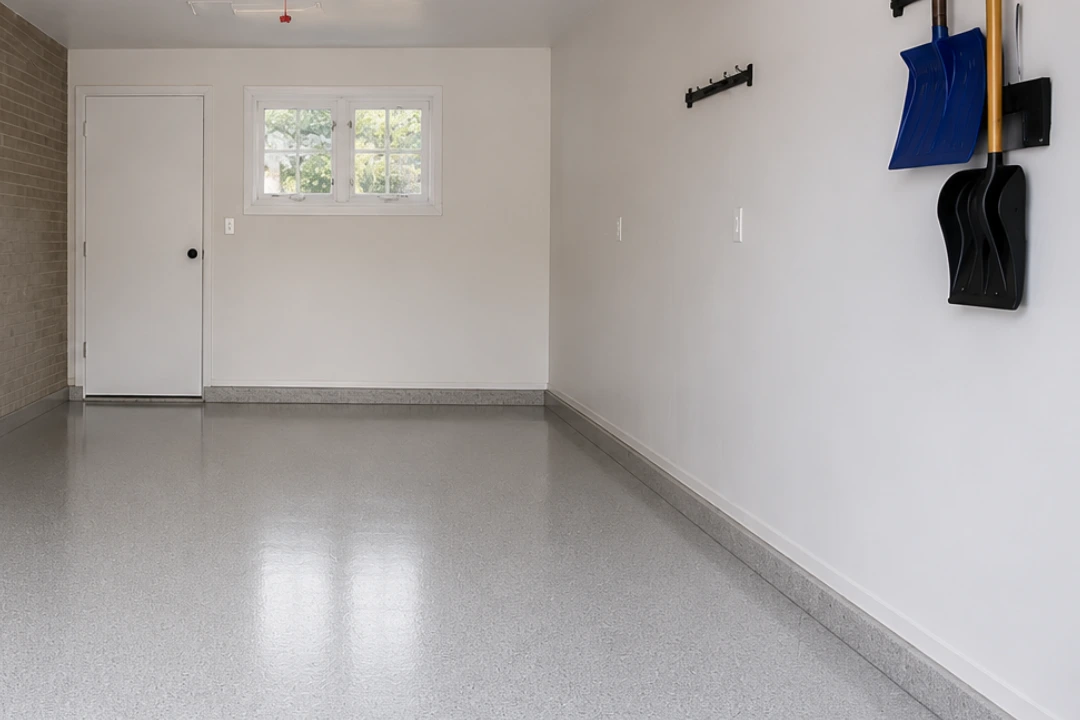
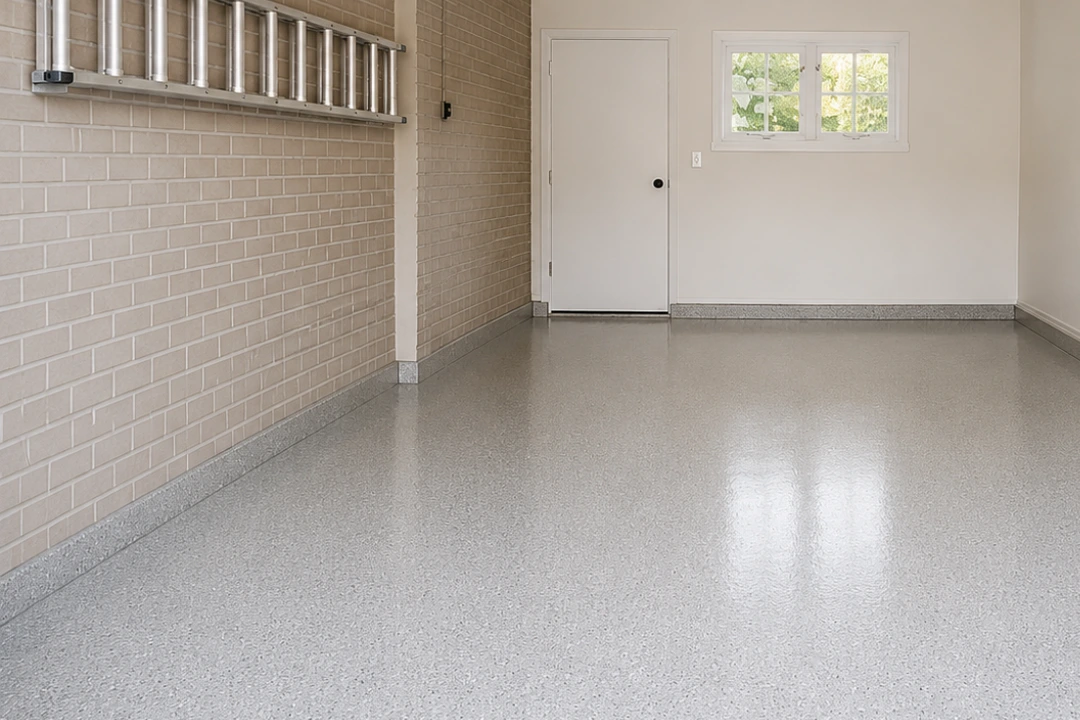
Flake Epoxy systems generally offer some of the best long-term performance among decorative epoxy floors. The vinyl flakes add texture and help conceal minor scratches, wear patterns, and surface imperfections. Combined with a durable topcoat, flake systems often last 15 to 20 years or longer in residential garages and many commercial environments. Their ability to hide wear contributes to a longer-lasting appearance.
Metallic Epoxy Floors
Metallic Epoxy Flooring is primarily chosen for its visual appeal rather than maximum durability. While the epoxy itself remains highly durable, metallic floors are often installed in showrooms, retail spaces, offices, and luxury interiors with moderate traffic levels. Under normal conditions, metallic epoxy floors commonly last 10 to 20 years, although repairs may be more noticeable because matching decorative patterns can be challenging.
Self-Leveling Epoxy
Self-Leveling Epoxy is widely used in industrial facilities, warehouses, healthcare buildings, and commercial spaces where durability is a priority. Its thicker application creates a smooth, seamless surface that resists impacts, abrasion, and heavy traffic. Properly installed self-leveling systems can often achieve 15 to 20+ years of service while maintaining excellent structural performance.
Role of Topcoats and Sealers
Protective topcoats play a critical role in extending epoxy flooring lifespan. Polyurethane and polyaspartic topcoats improve UV resistance, scratch resistance, chemical protection, and gloss retention. They act as a sacrificial wear layer, protecting the epoxy beneath from daily abuse. Floors that receive high-quality topcoats and periodic maintenance often last significantly longer than epoxy systems installed without additional protective layers. In many cases, the topcoat has as much influence on longevity as the epoxy coating itself.

The Biggest Factors That Impact Epoxy Floor Lifespan
The lifespan of epoxy flooring is influenced by much more than the coating itself. Two epoxy floors installed with the same materials can perform very differently depending on preparation, installation quality, environmental conditions, and daily use. Understanding these factors is essential for maximizing long-term durability.
Surface Preparation Quality
Proper surface preparation is arguably the most important factor affecting epoxy flooring longevity. The concrete must be thoroughly cleaned, repaired, and mechanically profiled before the coating is applied. Contaminants such as oil, grease, dust, or previous coatings can prevent proper adhesion. Poor preparation often leads to premature peeling, bubbling, and delamination regardless of the quality of the epoxy used.
Concrete Condition and Moisture Levels
The condition of the underlying concrete has a direct impact on coating performance. Cracked, weak, or deteriorating concrete can reduce the lifespan of the epoxy system. Excessive moisture within the concrete is another common cause of failure. Moisture vapor transmission can push against the coating from below, causing blistering, lifting, and adhesion problems over time.
Installation Workmanship
Even premium epoxy products can fail if they are not installed correctly. Proper mixing ratios, application thickness, cure times, and environmental controls are critical during installation. Experienced installers understand how to manage temperature, humidity, and application techniques to achieve maximum bond strength and durability. Poor workmanship often shortens floor lifespan significantly.
Traffic Volume and Usage Patterns
The amount and type of traffic an epoxy floor experiences greatly influence wear rates. Residential garages typically experience less stress than warehouses, manufacturing plants, or commercial facilities. Vehicle traffic, heavy equipment, dropped tools, and constant foot traffic can gradually wear down protective topcoats and expose the underlying coating to additional damage.
Environmental Exposure
Environmental conditions can accelerate epoxy floor deterioration. UV exposure may cause discoloration or yellowing in some epoxy systems, particularly in sunlit garages and outdoor applications. Chemical spills, temperature fluctuations, moisture exposure, and harsh cleaning products can also affect long-term performance. Installing protective topcoats and maintaining proper cleaning practices can help reduce the impact of environmental stressors.

How Epoxy Flooring Wears Over Time
Even though epoxy flooring is highly durable, it is not completely immune to wear. Over years of use, exposure to traffic, chemicals, sunlight, and environmental conditions gradually affects the surface. Understanding how epoxy flooring ages can help property owners identify maintenance needs before significant damage occurs.
Loss of Gloss
One of the earliest signs of aging is a gradual reduction in surface gloss. Constant foot traffic, vehicle movement, cleaning activities, and exposure to dirt particles slowly wear down the top layer of the coating. While the floor may remain structurally sound, its appearance can become dull and less reflective over time.
Surface Scratches and Scuffs
Minor scratches and scuff marks are common in both residential and commercial environments. Dragging furniture, dropped tools, heavy equipment, and abrasive debris can create visible surface wear. Decorative systems such as flake epoxy often hide scratches more effectively than solid-color finishes, while metallic epoxy may show certain imperfections more readily.
Tire Marks and Hot Tire Pickup
Garages frequently experience tire-related wear. Rubber residue can leave visible marks on the surface, particularly in high-use areas. In lower-quality installations, hot tire pickup may occur when heated vehicle tires soften the coating and pull small sections away from the concrete. Proper surface preparation and quality topcoats significantly reduce this risk.
Chemical Exposure Effects
Although epoxy flooring offers excellent chemical resistance, repeated exposure to harsh substances can gradually affect the surface. Automotive fluids, solvents, acids, and industrial chemicals may cause staining, discoloration, or surface degradation if spills remain untreated for extended periods. Prompt cleanup helps minimize long-term damage.
UV-Related Discoloration
Traditional epoxy coatings can discolor when exposed to prolonged ultraviolet light. Sunlit garages, commercial entrances, and outdoor-adjacent areas may experience yellowing, fading, or color changes over time. While UV exposure typically affects appearance more than structural performance, protective polyurethane or polyaspartic topcoats can significantly improve color stability and preserve the floor’s original look.

Epoxy Flooring Lifespan in Different Environments
The lifespan of epoxy flooring can vary significantly depending on where it is installed and the conditions it faces daily. Traffic levels, moisture exposure, chemical contact, UV radiation, and maintenance practices all influence long-term performance.
Residential Garages
Residential garages are among the most common applications for epoxy flooring. A professionally installed system typically lasts 10 to 20 years or longer with proper maintenance. Vehicle traffic, tire friction, oil spills, and occasional impacts create wear, but quality epoxy systems generally perform exceptionally well in this environment.
Commercial Buildings
Commercial offices, retail stores, healthcare facilities, and educational buildings often experience consistent foot traffic throughout the day. In these settings, epoxy flooring commonly lasts 8 to 15 years depending on traffic volume and maintenance practices. Decorative systems such as flake and metallic epoxy are frequently used because they combine durability with visual appeal.
Warehouses and Industrial Facilities
Industrial environments place the greatest demands on epoxy flooring. Forklifts, pallet jacks, heavy machinery, chemical exposure, and continuous traffic can accelerate wear. Even under these challenging conditions, high-build and self-leveling epoxy systems often provide 5 to 15 years of service before major recoating is required. Regular maintenance can significantly extend performance.
Basements and Utility Rooms
Basements, storage areas, and utility rooms generally experience lighter traffic than garages or commercial facilities. Because they are protected from direct sunlight and heavy equipment, epoxy floors in these spaces often last 15 to 20+ years. Their moisture resistance also makes them well suited for below-grade environments.
Outdoor and Sun-Exposed Areas
Traditional epoxy flooring tends to have the shortest lifespan in outdoor or heavily sunlit locations. Continuous UV exposure can cause yellowing, fading, chalking, and surface degradation over time. In these environments, lifespan may be reduced unless UV-resistant topcoats such as polyurethane or polyaspartic coatings are applied. With proper protection, epoxy systems can still provide many years of reliable performance while maintaining a more consistent appearance.

Maintenance Strategies That Add Years to Epoxy Floors
Proper maintenance is one of the most effective ways to maximize epoxy flooring lifespan. While epoxy is highly durable, regular care helps preserve its appearance, maintain its protective properties, and reduce the likelihood of premature repairs or recoating.
Routine Cleaning Practices
Regular cleaning prevents dirt, sand, and debris from acting as abrasives that gradually wear down the floor’s protective surface. Sweeping, dust mopping, or vacuuming should be performed routinely, especially in high-traffic areas. Occasional mopping with a mild cleaner helps remove residue and maintain the floor’s appearance without damaging the coating.
Spill and Stain Management
Although epoxy flooring resists many chemicals and stains, spills should still be cleaned as quickly as possible. Oil, gasoline, brake fluid, solvents, and industrial chemicals can remain on the surface for extended periods and potentially affect the finish. Prompt cleanup helps prevent staining, discoloration, and unnecessary surface deterioration.
Protecting High-Traffic Areas
Areas that experience frequent foot traffic, vehicle movement, or equipment use typically wear faster than other sections of the floor. Protective mats, walk-off mats, and designated work zones can help reduce direct wear. In commercial and industrial facilities, using protective pads beneath heavy equipment can further minimize abrasion and impact damage.
Reapplying Protective Topcoats
Topcoats serve as the primary wear layer for many epoxy flooring systems. Polyurethane and polyaspartic topcoats help protect against scratches, UV exposure, chemical spills, and gloss loss. Reapplying a protective topcoat before significant wear occurs can dramatically extend the life of the underlying epoxy system and delay the need for full recoating.
Preventive Maintenance Schedule
A proactive maintenance approach often delivers the best long-term results. Regular inspections can identify small scratches, worn areas, stains, moisture issues, or coating damage before they become major problems. Addressing minor issues early is typically less expensive than extensive repairs later. Establishing a routine maintenance schedule that includes cleaning, inspections, and periodic topcoat evaluation can add many years to the service life of an epoxy floor.
Warning Signs Your Epoxy Floor Needs Repair or Recoating
Epoxy flooring is designed for long-term durability, but even the best systems eventually show signs of wear. Identifying problems early can help prevent costly damage and often allows for repairs or recoating before a full replacement becomes necessary.
Peeling and Delamination
Peeling, lifting, or delamination is one of the most serious warning signs of epoxy floor failure. These issues typically occur when the coating loses its bond with the concrete substrate. Moisture intrusion, poor surface preparation, contamination during installation, or aging of the coating system are common causes. Small areas may be repairable, but widespread delamination often requires extensive corrective work.
Cracks and Surface Damage
Visible cracks, chips, gouges, and impact damage can indicate that the floor is experiencing structural stress or normal wear beyond its design limits. While minor surface damage can often be repaired with patching materials and localized recoating, larger damaged areas may signal the need for more comprehensive restoration.
Excessive Wear Patterns
Heavy traffic zones sometimes develop noticeable wear patterns where the coating becomes thinner or loses its protective properties. Common examples include vehicle parking locations, loading areas, walkways, and equipment paths. When concrete begins to show through or the coating becomes uneven, recoating is often recommended to restore protection.
Fading and Discoloration
Gradual fading, yellowing, chalking, or loss of color consistency is often caused by UV exposure, chemical contact, or aging of the finish coat. While discoloration is primarily a cosmetic issue, it can indicate that the protective top layer is deteriorating and may need replacement to maintain long-term performance.
When Repairs Are No Longer Enough
Localized repairs work well when damage is limited and the majority of the floor remains in good condition. However, recurring failures, widespread peeling, extensive wear, multiple crack repairs, or large areas of deterioration often indicate that the coating system has reached the end of its service life. In these situations, a complete recoating or full replacement may provide a more reliable and cost-effective long-term solution than continuing to perform individual repairs.

Recoating vs Full Replacement: Which Makes More Sense?
As epoxy flooring ages, property owners often face a choice between recoating the existing surface or completely replacing the system. The right decision depends on the floor’s condition, repair history, long-term goals, and overall cost considerations.
Cost Comparison
Recoating is typically much less expensive than full replacement because the existing coating and concrete substrate remain largely intact. The process usually involves cleaning, surface preparation, minor repairs, and applying new coating layers. Full replacement requires removing failed coatings, repairing concrete damage, and installing an entirely new system, resulting in significantly higher labor and material costs.
Extending Floor Life Through Recoating
Recoating is often the most practical option when the existing epoxy floor remains structurally sound. Applying a new epoxy layer or protective topcoat can restore gloss, improve chemical resistance, refresh appearance, and add many years of service life. In many cases, timely recoating can extend floor performance by 5 to 10 years or more without the expense of complete replacement.
Situations Requiring Full Replacement
Full replacement becomes necessary when the flooring system has experienced widespread failure. Severe delamination, extensive moisture-related damage, large areas of peeling, multiple structural cracks, or significant concrete deterioration often cannot be resolved through simple recoating. In these situations, removing the damaged system and starting over provides a more reliable long-term solution.
Return on Maintenance Investment
Recoating generally offers one of the highest returns on maintenance investment because it restores protection before major deterioration occurs. Addressing wear early often prevents costly repairs and delays the need for replacement. Waiting too long can allow damage to spread, increasing future restoration expenses.
Long-Term Ownership Considerations
For most property owners, periodic recoating represents the most cost-effective long-term strategy. Regular maintenance and scheduled topcoat renewal help preserve performance while maximizing the lifespan of the original installation. Full replacement is usually reserved for floors that have reached the end of their service life or experienced extensive failure. By investing in preventive maintenance and timely recoating, owners can often reduce lifetime flooring costs while maintaining a durable and attractive epoxy surface for decades.
Final Verdict: How Long Does Epoxy Flooring Last?
Epoxy flooring is one of the most durable and cost-effective floor coating systems available, offering an average lifespan of 10 to 20 years or more when professionally installed and properly maintained. The actual lifespan depends on factors such as surface preparation, concrete condition, traffic levels, environmental exposure, and ongoing maintenance practices.
For residential garages and basements, epoxy flooring can provide decades of reliable performance with minimal upkeep. In commercial and industrial environments, regular inspections, prompt repairs, and periodic recoating help maximize durability and reduce long-term costs. Flake and self-leveling epoxy systems generally offer the best balance of appearance and longevity, while protective polyurethane or polyaspartic topcoats can significantly extend service life.
Ultimately, the key to maximizing epoxy flooring lifespan is simple: invest in quality installation, maintain the surface regularly, address wear early, and recoat before major deterioration occurs. These steps help ensure long-term performance, appearance, and value.